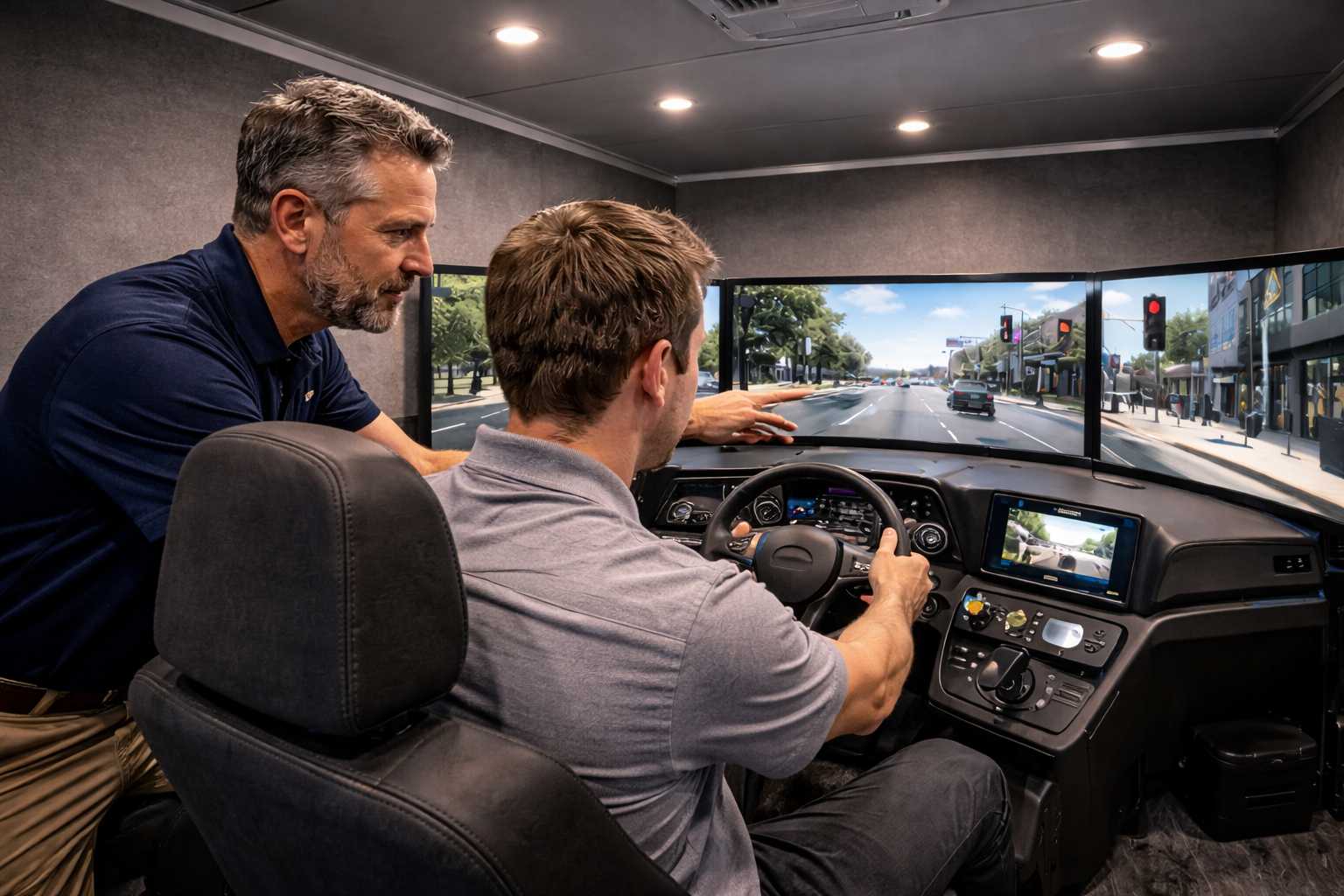
Driving Simulator

Advanced Driving Simulation for Law Enforcement

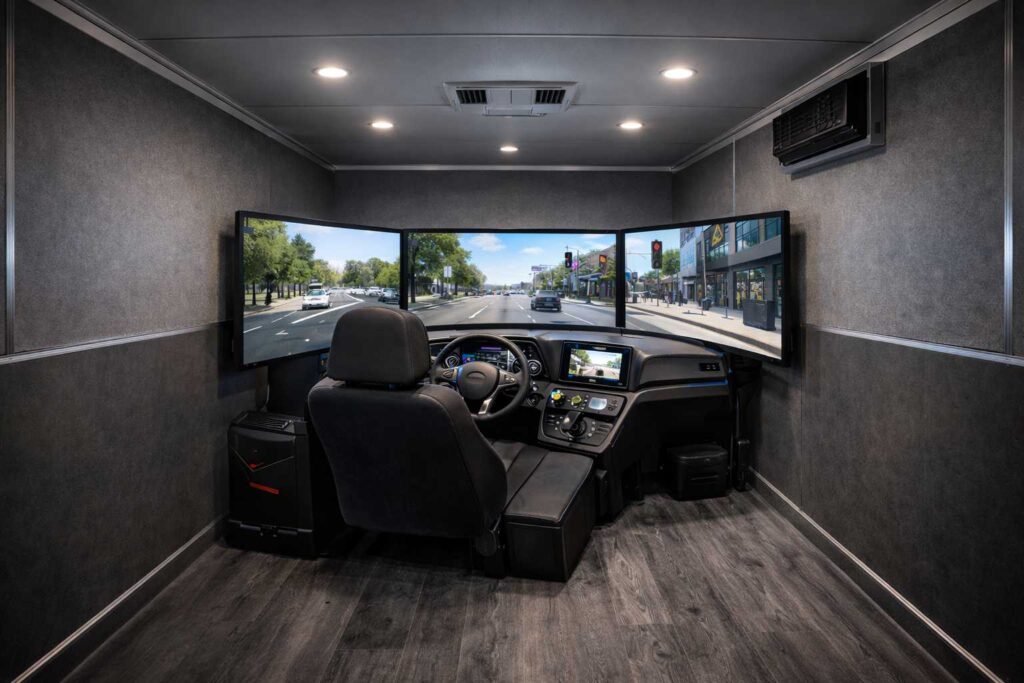
Vehicle operations remain one of the highest areas of liability exposure for public safety agencies. ProSim’s mobile driving simulator allows departments to conduct realistic, repeatable training scenarios in a controlled environment without placing officers, equipment, or the public at risk.

Our system integrates directly into your existing training structure and is deployed on-site at your department or designated training location.

Built to Support Department-Led Training

ProSim provides the simulation platform.
Your instructors lead the training.

Driving scenarios can be structured around your department’s policies, pursuit guidelines, and operational expectations while maintaining full administrative oversight.
Realistic. Repeatable. Controlled.

The mobile driving simulator allows officers to experience high-risk driving conditions in a structured environment where scenarios can be paused, replayed, and evaluated without real-world exposure.

Departments can reinforce safe driving behavior, decision-making under stress, and policy application without live roadway risk.

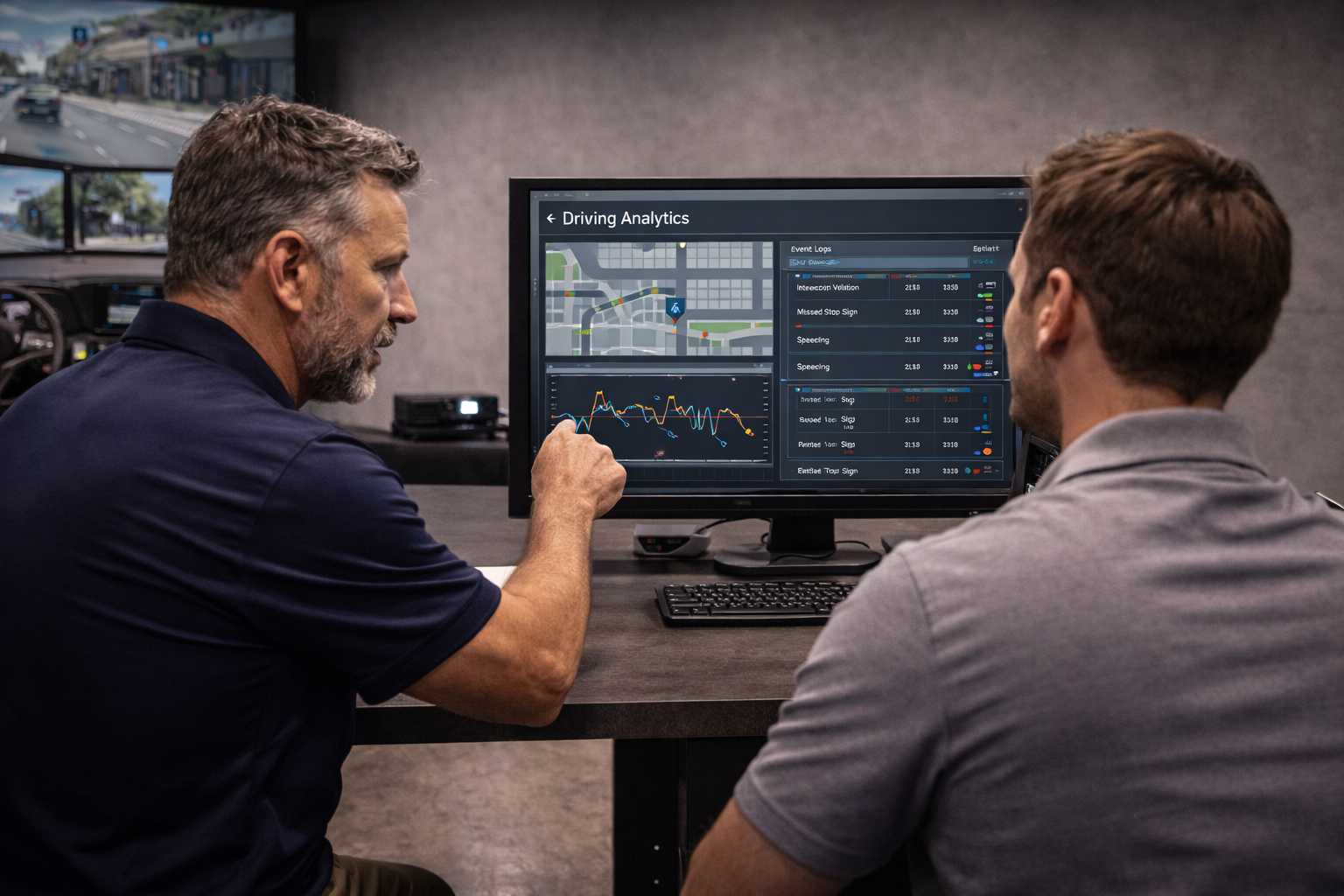
Analytics & After-Action Review

Performance review capabilities allow command staff and instructors to conduct consistent, documented evaluations aligned with departmental objectives. Structured data capture supports:

Speed analysis

Intersection behavior review

Policy compliance evaluation

Decision-point assessment

Scenario replay for instructional review

Mobile Deployment

ProSim delivers the driving simulator directly to your location. No facility construction. No permanent installation. No capital equipment purchase required.

Systems can be scheduled as part of:

Recurring scheduling ensures consistent exposure and measurable development throughout the year.

Scalable for Agencies of Every Size

Small and rural departments gain access to advanced simulation without capital investment. Mid-size agencies increase repetition and documentation. Larger departments supplement existing infrastructure or expand capacity during peak training cycles.